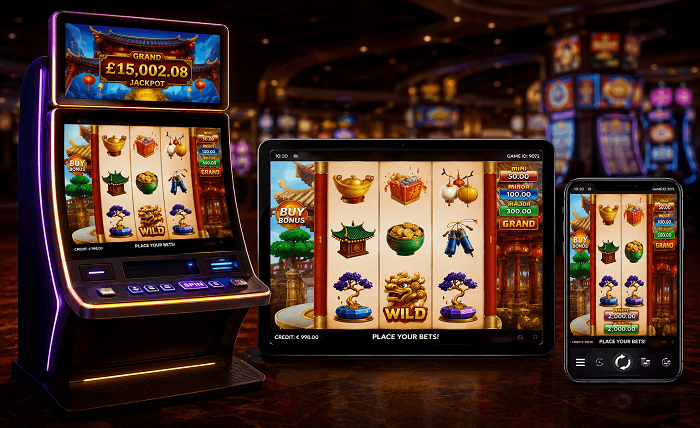
Starting with a limited budget can make online slot play feel more manageable. A slot deposit 1000 approach simply means setting aside 1,000 units of your local currency as the amount you are willing to deposit and potentially use for slot play. The important part is understanding that this money is entertainment spending, not a guaranteed way to make a profit.
Before depositing anything, it helps to understand how slot games work, what the displayed information means, and how to control your spending. A sensible approach can also prevent common mistakes, such as chasing losses or increasing bets after an unsuccessful session.
This guide explains how to approach a slot deposit of 1000, choose suitable games, manage your balance, and play responsibly.
What Does Slot Deposit 1000 Mean?
The phrase “slot deposit 1000” generally refers to starting slot play with a deposit of 1,000 in the currency supported by a particular platform. The exact value, minimum deposit, available payment methods, and game options can differ between operators.
For example, if you deposit 1,000 and decide to use 10 per spin, you theoretically have enough balance for 100 spins if every spin costs exactly 10. However, actual gameplay can change the balance quickly because slot outcomes are random.
A deposit should therefore be viewed as a spending limit rather than an expected return.
Deposit Size Is Not a Winning Strategy
A larger deposit does not improve the odds of winning a particular spin. Likewise, starting with 1,000 does not mean you should expect to turn it into 2,000 or more.
Each spin is determined by the game’s rules and random number generation. Previous results do not create a reliable prediction for what will happen next.
This is an important distinction for beginners. Your budget controls how much you can afford to spend, but it does not control the outcome of the game.
Set a Budget Before You Start
The first practical step is deciding how much you can comfortably afford to lose.
If 1,000 would affect your ability to pay for essentials, it should not be used for gambling. Entertainment spending should come from money that is genuinely available after important expenses have been covered.
A useful personal limit might include:
- A maximum deposit amount
- A maximum session length
- A maximum amount you are willing to lose
- A point at which you will stop playing
- A decision not to make additional deposits during the same session
Once the limit has been reached, stop. Avoid treating another deposit as a way to recover money that has already been lost.
Think of the Deposit as an Entertainment Budget
One simple way to approach gambling is to compare it with other forms of entertainment.
If you spend 1,000 on a meal, cinema trip, or other leisure activity, you generally understand that you are paying for the experience rather than expecting your money back. A gambling budget can be viewed in a similar way.
This mindset can make it easier to accept losses without trying to immediately recover them.
Understand the Slot Before Playing
Not all slot games are identical. Before placing a bet, take a moment to check the game’s information panel or paytable.
Important details can include:
- Minimum and maximum bet sizes
- Number of reels and paylines or ways to win
- Symbols and their payouts
- Bonus features
- Free-spin mechanics
- Wild and scatter symbols
- Volatility information, when provided
- Return-to-player information, commonly called RTP
Understanding these details gives you a clearer idea of what you are playing.
What Is RTP?
RTP stands for return to player. It is normally expressed as a percentage and describes the theoretical amount a game would return over a very large number of plays.
For example, a game with a theoretical RTP of 96% does not mean that a player will receive 96% of their individual deposit back. It is a long-term statistical figure based on the game’s mathematical design.
A short session can produce results that are considerably higher or lower than the theoretical RTP.
What Is Volatility?
Volatility describes how frequently and how significantly a game may produce wins.
Lower-volatility games may tend to produce smaller wins more frequently, while higher-volatility games may have larger but less frequent payouts. These descriptions do not guarantee a particular result.
For someone using a limited budget, understanding volatility can be useful when deciding whether a particular game fits their preferred style of play.
Choose a Bet That Fits Your 1000 Budget
Your bet size has a major effect on how quickly your balance can change.
Suppose your starting balance is 1,000:
- At 5 per spin, the balance represents 200 theoretical spins.
- At 10 per spin, it represents 100 theoretical spins.
- At 20 per spin, it represents 50 theoretical spins.
- At 50 per spin, it represents only 20 theoretical spins.
These calculations assume no wins or losses during play, so they are simply illustrations of how bet size affects the amount of play your starting balance could cover.
For a beginner, using smaller bets can make it easier to extend a session without risking a large portion of the balance on each individual spin.
Avoid Increasing Bets to Recover Losses
One of the most common mistakes in gambling is raising the bet after losing.
For example, someone might start with a 10 bet, lose several spins, and then increase the wager to 50 because they believe a larger win is needed to recover the previous losses.
There is no guarantee that the next spin will win. Increasing the bet simply exposes more of the remaining balance to risk.
A better approach is to decide on your maximum bet before starting and stick to it.
Check the Platform Before Depositing
If you are considering playing online, do not focus only on the games available. Check the platform itself before making a deposit.
Look for clear information about:
- Licensing or regulatory status
- Age requirements
- Terms and conditions
- Deposit and withdrawal rules
- Available responsible-gambling tools
- Customer support
- Account verification requirements
- Fees or transaction conditions
You should also check whether online gambling is legal where you live. Laws and regulations differ between countries and jurisdictions, so players are responsible for understanding the rules that apply to them.
Never assume that a website is trustworthy simply because it appears in search results or has attractive promotions.
Be Careful With Bonuses
Deposit bonuses and promotional offers can look appealing, but they often come with conditions.
A bonus may have wagering requirements, minimum deposit rules, eligible games, maximum withdrawal limits, expiry dates, or other restrictions. The headline value of a promotion does not tell you the complete story.
Before accepting an offer, read the terms carefully.
If you cannot understand the conditions, it is safer not to accept the promotion. A bonus should never encourage you to deposit more money than you originally planned.
Create a Simple Session Plan
A basic plan can help keep gambling under control.
Before opening a slot, decide:
- How much you are depositing.
- How much you will wager per spin.
- How long the session will last.
- What loss limit you will follow.
- Whether you will withdraw if your balance reaches a predetermined amount.
For example, a player might deposit 1,000, slot relatively small bets, and decide that the session ends if the balance falls to a chosen limit. They might also decide to stop playing rather than continuing simply because they have reached the original deposit amount.
The exact limits should be realistic and affordable for the individual.
Know When to Stop
Knowing when to stop is just as important as knowing how to begin.
A winning session can sometimes encourage people to continue because they believe the balance will keep increasing. A losing session can create the opposite problem, where someone continues playing because they want to recover what they have lost.
Both situations can lead to spending more than intended.
Consider stopping when:
- You reach your planned time limit.
- You reach your predetermined loss limit.
- You notice yourself becoming frustrated.
- You feel pressure to win back losses.
- You are thinking about making another deposit.
- Gambling is interfering with work, study, relationships, or daily responsibilities.
Taking a break can provide useful perspective.
Common Mistakes Beginners Should Avoid
New players often make decisions based on emotions rather than the actual rules of the game.
Chasing Losses
A loss does not create a debt that the next spin must repay. Trying to recover losses by gambling more can quickly increase the amount at risk.
Believing a Slot Is “Due”
A sequence of losing spins does not mean that a winning spin must happen next. Random outcomes do not work like a countdown.
Betting Too Much
Large bets can reduce a 1,000 balance very quickly. A few unsuccessful spins at high stakes may use a significant portion of the entire budget.
Ignoring the Rules
Playing without checking the paytable, bonus conditions, or betting limits can lead to misunderstandings.
Making Emotional Deposits
If your original budget disappears, depositing additional money immediately changes the spending plan. It is better to stop and reconsider than to keep adding funds.
A Practical Example of a 1000 Starting Budget
Imagine a player has 1,000 available specifically for entertainment and chooses to use it for slot play.
Instead of placing large bets, the player selects a modest stake and decides in advance how long the session will last. They understand that the entire 1,000 could potentially be lost and do not plan to deposit additional funds if that happens.
During the session, the balance may rise and fall. If the player reaches their predetermined stopping point, they finish the session rather than continuing simply because the balance is still positive.
The example demonstrates an important principle: the goal of responsible bankroll planning is controlling spending, not predicting winnings.
Protect Your Account
Account security is another consideration when playing online.
Use a strong, unique password and enable two-factor authentication when the platform offers it. Avoid sharing login details with other people.
You should also be cautious with unexpected messages claiming that you have won money or need to provide payment information. Access your account through the official platform rather than clicking suspicious messages or unfamiliar links.
Keep records of your deposits and withdrawals so you can see how much you are actually spending over time.
Responsible Gambling Matters
Slot games are designed for entertainment, but gambling can become difficult to control for some people.
Responsible gambling means maintaining control over how much time and money you spend. If gambling begins to feel like something you cannot stop doing, or you repeatedly gamble more than planned, consider using available account limits or taking a complete break.
Do not gamble with money needed for rent, food, bills, education, debt payments, or other essential expenses.
It is also important to remember that gambling outcomes are uncertain. No betting system can remove the underlying risk of losing money.
Final Thoughts
A slot deposit 1000 can be approached sensibly when the deposit is treated as a fixed entertainment budget rather than an investment. Understanding RTP, volatility, bet sizes, game rules, and platform conditions can help you make more informed decisions.
The most important part is setting limits before playing. Choose an amount you can genuinely afford to lose, avoid chasing losses, be careful with promotional offers, and stop when your predetermined limit is reached.
Slots are based on chance, so there is no reliable method for guaranteeing a profit. A thoughtful approach focuses less on trying to predict the next result and more on keeping gambling within safe and affordable boundaries.